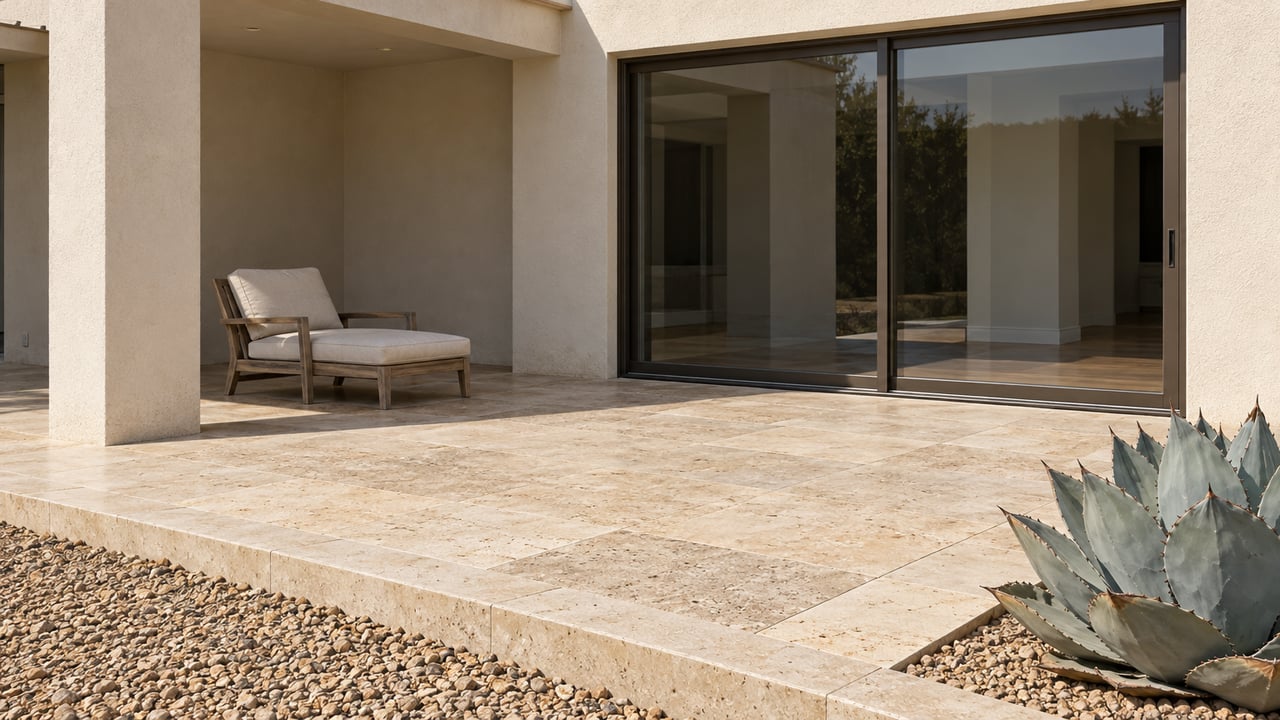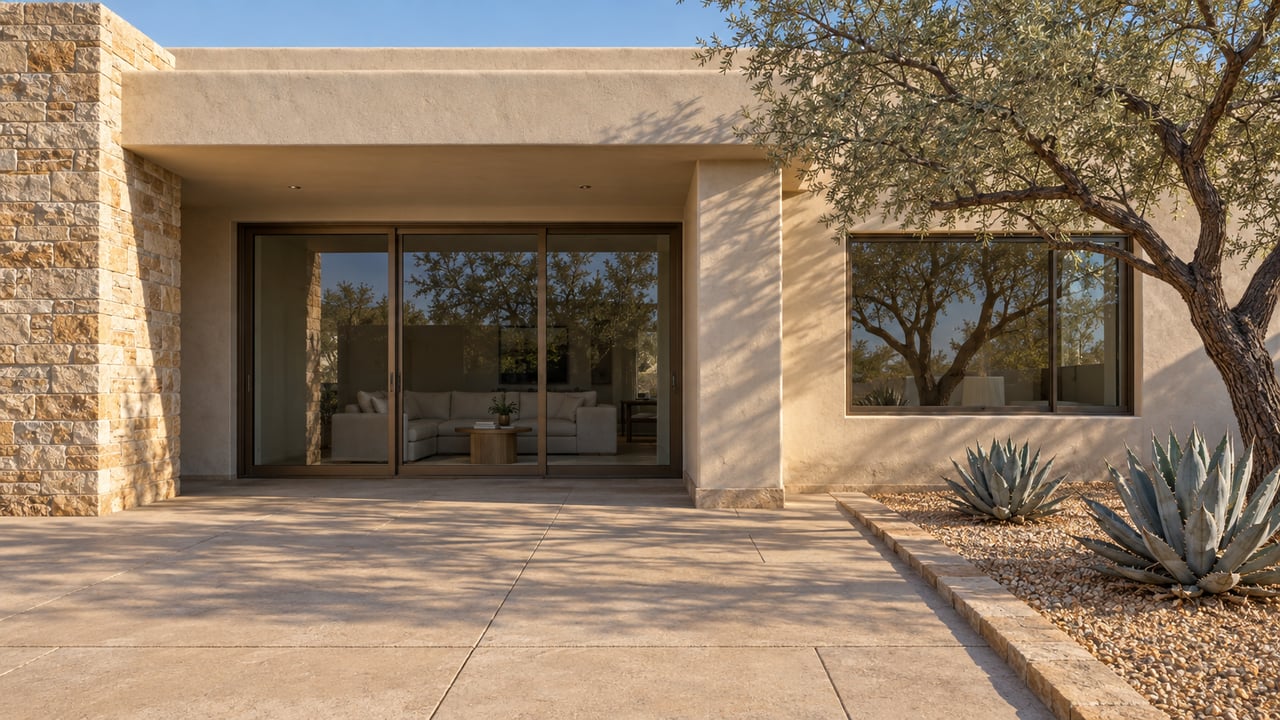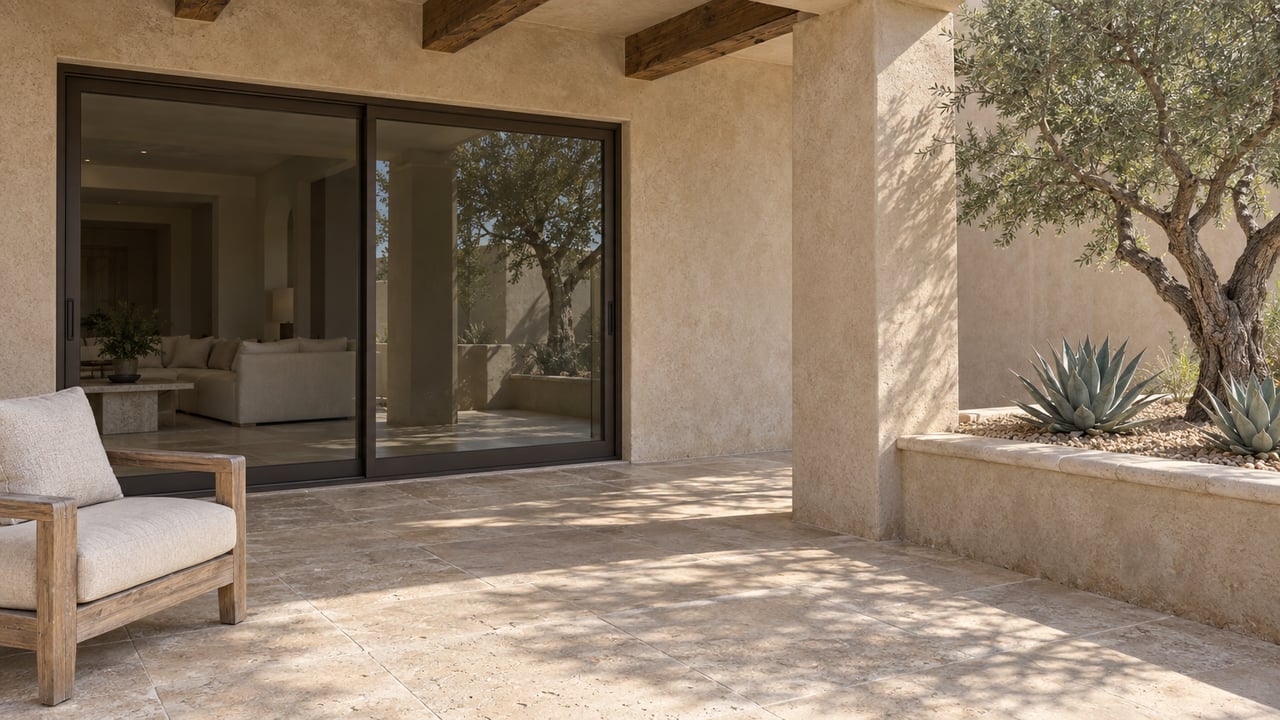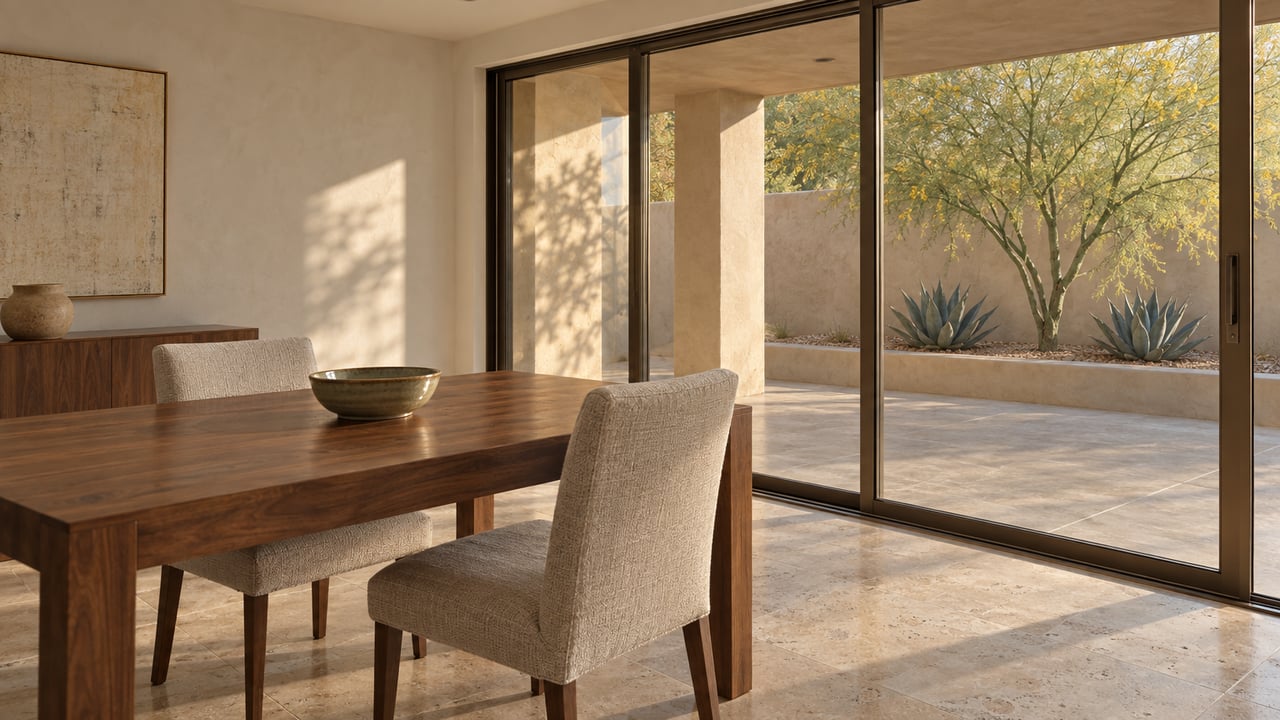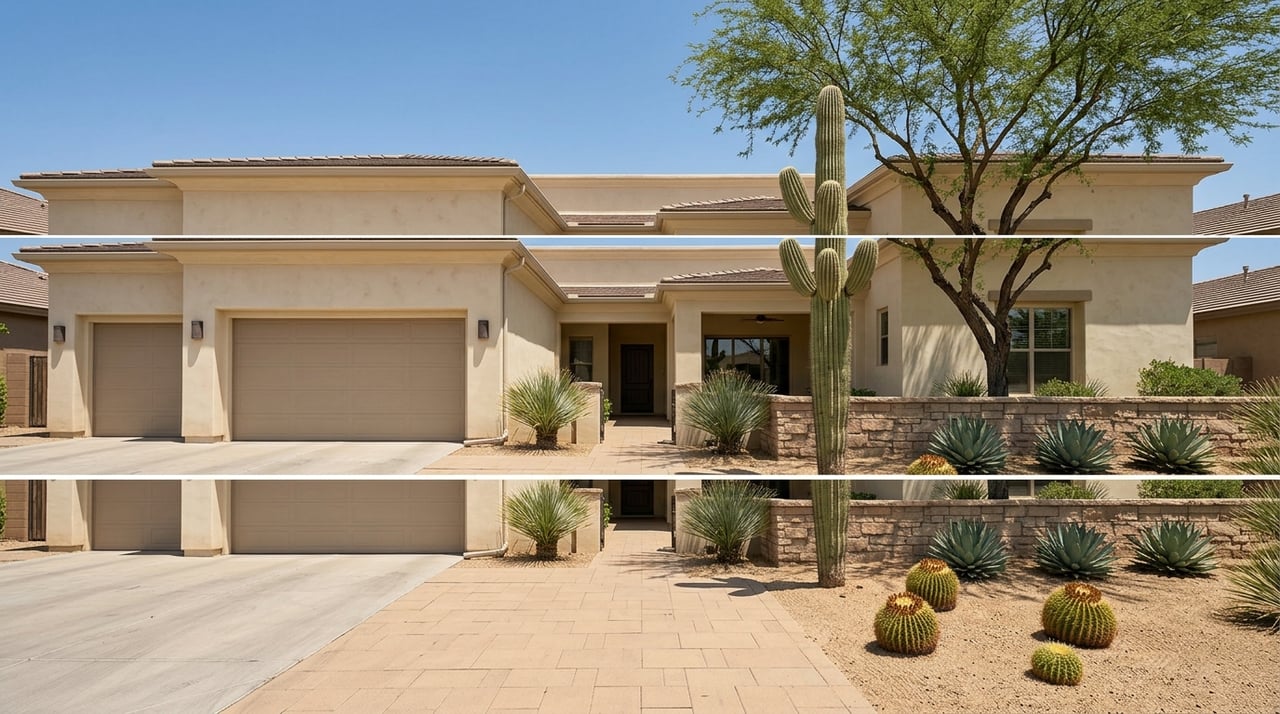
A buyer who spends an afternoon comparing SaddleBrooke Ranch to The Preserve at SaddleBrooke online will notice the shared name before anything else. Same builder. Similar stucco and stone. Golf, pickleball, a clubhouse with a spa wing. It reads like two wings of one resort, and for years it partly was: residents of the older SaddleBrooke community and the newer Ranch a few miles north could once cross into each other's amenities under a reciprocal arrangement. That arrangement no longer holds. Today, what your gate card opens is limited to what sits inside your own community, and that single change reshapes how the two places should actually be compared.
This matters most for two kinds of buyers Team Platinum works with regularly: the out-of-state retiree deciding between a Ranch home and a Preserve resale sight unseen, and the current Ranch owner weighing a move-up within the same gates. Both groups tend to assume the two communities are financially and functionally interchangeable because Robson built both. The numbers say otherwise.
What the two HOAs actually bill
SaddleBrooke Ranch runs its own Master HOA, separate from the association that governs SaddleBrooke One and Two, which is where The Preserve sits. The fee structures aren't twins.
For 2025, SaddleBrooke One set its annual dues at $2,980, billed in two installments due January 1 and July 1, with a matching one-time capital improvement fee of $2,980 charged to new owners. A reciprocal use agreement between HOA One and HOA Two, the association that includes The Preserve, still lets residents of either side use the shared amenities at no extra charge. That internal reciprocity survives. It's the cross-community version, between the Ranch and everything south of it, that ended.
SaddleBrooke Ranch's own Master HOA currently bills semi-annual dues of $1,490 plus a $233.16 amenity fee, for a combined $1,723.16 twice a year. Annualized, that puts Ranch dues near $3,446, roughly $466 more per year than SaddleBrooke One's published 2025 rate. Villa owners in Ranch Units 21A and 21B pay an additional $1,260 semi-annually on top of the Master HOA amount.
The pattern worth sitting with: the newer, farther-out community carries the higher annual dues load, while the older, closer-in community keeps its cost lower and still shares access internally between its two HOAs. Buyers who assume "newer means pricier everywhere except dues" are working from an outdated model.
The fee that doesn't care if you already live there
Right-sizing inside SaddleBrooke Ranch, moving from one floor plan to a larger one two streets over, carries its own friction. The Ranch's capital improvement fee, established by a homeowner vote in 2018 and directed into the HOA's reserve fund, is due at closing on every purchase. According to the HOA's own resale and refinance guidance, that fee does not get waived if the buyer already owns a home in the community. A current Ranch resident trading up pays it again, in full, on the new address.
This is the kind of detail worth checking before escrow, rather than during a Sunday drive through the model homes.
The price ladder flipped too
In Robson's May 2026 home-plans listing, SaddleBrooke Ranch's lineup of Tradition and Premiere series homes ran from $554,633 to $712,292, with homes listed as move-in ready or with completion estimated for July 2026. One recently completed Tradition model, a 2,079-square-foot Alora, was offered at $599,900 with a builder option bonus, down from an original asking price of $658,409. New homesites in Unit 19 continued to release, with lots positioned to back up to open space.
The Preserve tells a different pricing story than it did in past years. Local market write-ups once cited the Paloma model, at 2,395 square feet, starting near $444,900. Current listings for the community now show new construction selling from $709,900. Only a handful of lots remain, concentrated in releases like Unit 44B, which was marketed for its golf-course and mountain-view homesites.
Put the two ladders side by side and the entry point had essentially swapped in Robson's May 2026 listing: the Ranch, the newer and farther community, was listed with the lower floor for new construction. The Preserve, the more established and closer-in neighborhood, now requires a higher entry price simply because fewer lots and smaller floor plans remain in its inventory.
What separation actually looks like day to day
The end of cross-community access shows up in small, verifiable ways rather than one dramatic announcement. The SaddleBrooke Ranch Tennis Association's Battle for the Saddle doubles tournament has been described as a friendly competition between SBRTA and its neighboring club, competition being the operative word for two associations that once shared courts more loosely. Dining follows the same split: Ranch residents have the Ranch House Grill, Bistro Veinte, and Ed's Dogs, while Preserve residents have their own Preserve Grill and access to MountainView Bar & Grill on the SaddleBrooke side. A resident's monthly read is community-specific too, the SaddleBrooke Ranch Roundup for one side, the SaddleBrooke Progress newspaper for the other, with the Robson Living e-newsletter as the one publication that still covers both.
None of this means either community is thin on options. Ranch residents have the 37,000-square-foot La Hacienda Club, with its indoor and outdoor pools, fitness center, spa, and bistro-lounge, plus the Viva Fitness Center, an expansive pickleball and tennis complex, and clubs such as the Woodworking Club, which hosted a charcuterie board workshop in March 2026. Preserve and SaddleBrooke residents have DesertView Sports Club, the Performing Arts Center, and the SaddleBrooke Cornhole Club's lit evening courts at DesertView. The point isn't that one side has less. It's that neither side's dues buy time on the other's courts anymore.
What this means if you're comparing the two
A buyer choosing between a Ranch home and a Preserve resale is no longer choosing between two wings of the same club. They're choosing between two separate cost structures, two separate amenity footprints, and two very different current price floors for new construction. The math that used to make the two communities close substitutes for each other, similar dues, overlapping access, doesn't hold anymore. Anyone comparing listings side by side should treat the annual dues, the capital improvement fee at closing, and the current new-construction price as three separate numbers to verify directly with each HOA rather than assumptions to carry over from the shared Robson name.
A short FAQ
Are SaddleBrooke Ranch and SaddleBrooke the same HOA? No. SaddleBrooke Ranch has its own Master HOA. SaddleBrooke One and Two, which includes The Preserve, share a separate reciprocal agreement between themselves, but that reciprocity does not extend to the Ranch.
Does the SaddleBrooke Ranch HOA cover golf? No. Golf at the Ranch is billed separately, either per round or through a membership package, on top of the Master HOA and amenity fees.
If I already own in SaddleBrooke Ranch and buy another home there, do I pay the capital improvement fee twice? Yes. Per the HOA's own resale and refinance guidance, the fee is due at closing on every purchase regardless of existing ownership in the community.
If you're weighing a Ranch home against a Preserve resale, or trying to work out what a move-up inside the Ranch will actually cost at closing, this is the kind of detail worth confirming before you write an offer, not after. Ann Marie Camillucci has spent years inside both HOAs' paperwork and can walk you through the current dues, the closing fees, and what's genuinely available on each side of the gate. Let's Connect.
This article is general information, not legal, tax or financial advice. Consult a qualified professional about your situation.